
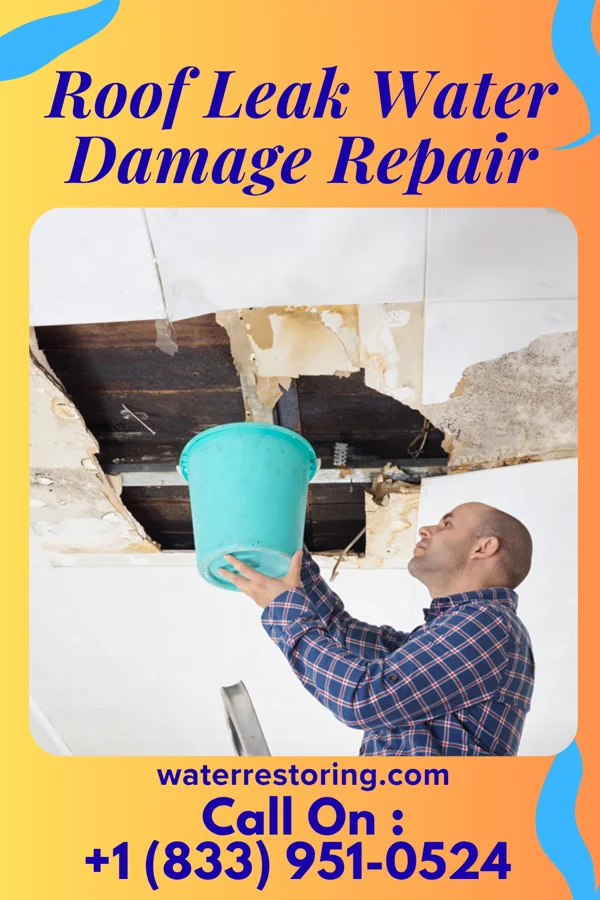
Why Roof Leak Damage Spreads in Severn
Most water damage emergencies in Severn start with Severn, North Carolina experiences frequent thunderstorms and heavy rainfall, especially during the late spring and early summer months. These storms can lead to sudden roof leaks due to the intense downpours and strong winds. The region's humid climate also contributes to prolonged moisture exposure, increasing the risk of water damage.. A close second is In addition to thunderstorms, Severn is occasionally affected by high humidity and prolonged periods of overcast weather, which can lead to persistent moisture buildup on roofs. This is particularly common in the fall and winter months, when temperature fluctuations can cause condensation and ice dams.. From the second water touches the property, every minute changes what gets saved and what gets ripped out.
The combination of frequent rainfall, high humidity, and seasonal temperature changes in Severn creates an environment where roof leaks and water damage can occur rapidly. This climate also accelerates the growth of mold and mildew, which can lead to secondary damage if not addressed promptly.
Most roof leak water damage repair calls in Severn come from Severn, North Carolina experiences frequent thunderstorms and heavy rainfall, especially during the late spring and early summer months. These storms can lead to sudden roof leaks due to the intense downpours and strong winds. The region's humid climate also contributes to prolonged moisture exposure, increasing the risk of water damage.. Running a close second is In addition to thunderstorms, Severn is occasionally affected by high humidity and prolonged periods of overcast weather, which can lead to persistent moisture buildup on roofs. This is particularly common in the fall and winter months, when temperature fluctuations can cause condensation and ice dams.. Local mold risk: Mold can begin to grow within 48 hours of water exposure in Severn due to the region's high humidity. This poses a significant health risk and can lead to secondary damage such as warped wood, peeling paint, and compromised insulation.